School Owl Clipart: An Embroidery Designer’s Review
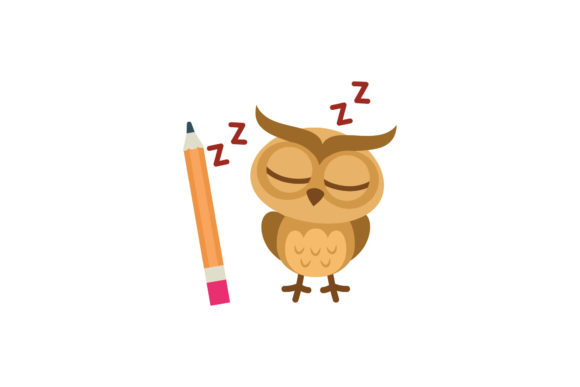
When evaluating graphics for needlework, I always look beyond the screen. As a designer who regularly bridges the gap between digital art and physical textiles, my first question is never "Is it cute?" but rather "Will it stitch cleanly?" The School Owl Clipart Illustration immediately catches the eye with its academic charm and balanced composition, but its true value lies in how those vector lines translate into thread. For embroidery designers, Etsy sellers, and small business owners, understanding the structural integrity of this graphic is essential before committing it to fabric.
First Impressions: Visual Balance and Stitch Potential
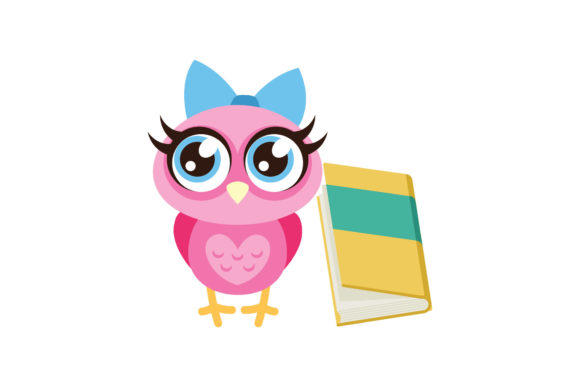
My initial assessment of the School Owl Clipart Illustration focuses on shape definition. In digital illustrations, soft gradients and complex shading can be beautiful, but they often create nightmares in machine embroidery. This design, however, features distinct color blocking and clear outlines. This is excellent news for digitizers. The separation of elements suggests that this graphic will convert smoothly into an applique design or a combination of satin stitch borders and fill stitch bodies.
The mood is undeniably scholastic yet approachable. It avoids being overly juvenile, which expands its marketability. While perfect for baby embroidery on onesies or bibs, the clean aesthetic also suits tote bag design for teachers or library volunteers. The canvas size of 1920 px X 1280 px provides ample resolution for tracing and digitizing without pixelation, ensuring that when you zoom in to check corner details, the edges remain crisp. This clarity is vital for maintaining professionalism in your finished product.
Real-World Application: Digitizing for Custom Apparel
To truly test the viability of this School Owl Clipart Illustration, I mentally placed it on a recent client project: a custom embroidered sweatshirt for a university bookstore. Sweatshirt fleece is textured and prone to pushing stitches out of alignment. Because this owl has bold, defined shapes rather than wispy details, it is an ideal candidate for this substrate.
In this scenario, I would utilize the SVG or AI file formats included in the package to separate the owl’s body from its accessories. This allows for layered stitching, where the base is secured first, followed by the graduation cap or glasses. This layering technique prevents the "bulletproof" feeling that occurs when too many stitches overlap densely. For custom apparel, comfort is king. By leveraging the clean lines of this illustration, we can reduce overall stitch density while maintaining visual impact, resulting in a garment that feels handmade rather than stiff and mass-produced.
For Etsy sellers creating personalized gift items like nursery pillows or holiday ornaments, the versatility of having five format types (AI, EPS, SVG, JPG, PNG) cannot be overstated. You can use the high-res PNG for printable mockup listings to show customers what the final piece will look like, while using the vector files to create precise digital embroidery files. This workflow consistency builds brand trust and streamlines production for craft business owners juggling multiple orders.
Navigating Fabric Limitations and Hoop Constraints
While the School Owl Clipart Illustration is versatile, practical experience dictates caution in specific applications. If you are planning sweatshirt embroidery or working with stretchy knits, the design's aspect ratio must be considered. At 1920x1280, the image is landscape-oriented. Depending on your hoop size, you may need to resize or rearrange elements. Never distort the aspect ratio to fit a hoop; instead, edit the vector file to stack elements vertically if necessary. Distortion ruins the professional finish of any embroidery project.
Be particularly mindful when applying this design to curved surfaces like caps. The wide stance of the owl might wrap awkwardly around a structured hat front. In such cases, isolate the head or use only the face element as a smaller embroidered patch. Additionally, dark fabrics present a challenge. If the original clipart uses light colors, you must account for underlay stitches to prevent the dark fabric from showing through. Always test thread colors against your specific fabric texture before running a full production batch.
Small details, such as text on books or intricate feather patterns, require scrutiny. If the intended size is under four inches, these details should be simplified or removed. Tiny lettering rarely embroiders well and can cause thread breaks or illegible results. A successful handmade product prioritizes readability and durability over microscopic accuracy. Remember, what looks sharp on a monitor may become a muddy blob of thread on pique knit or terry cloth.
Professional Notes for Makers and Sellers
Before listing items featuring the School Owl Clipart Illustration or selling the digitized files themselves, adhere to these professional best practices:
- Verify Licensing: Confirm whether your purchase includes commercial rights for both physical products and digital assets. This distinction is critical for Etsy sellers and digital product vendors.
- Test on Scrap Fabric: Never assume a setting works universally. Run a test stitch-out on the exact material and stabilizer combination you intend to use for the final run.
- Check Contrast: View your digitized version in black and white. If the design loses definition without color, your stitch density or texture mapping needs adjustment.
- Mockup Accuracy: Use the provided JPG or PNG files to create realistic previews, but ensure they accurately represent the scale and placement of the actual embroidery.
- Edit Responsibly: Since the design is easy to use and editable, take advantage of the AI and EPS files to customize the owl for niche markets, such as adding specific school colors or mascots.
Elevating Product Value Through Design Integrity
Ultimately, the School Owl Clipart Illustration serves as a strong foundation for a variety of commercial embroidery and personal projects. Its strength lies in its adaptability. Whether you are producing holiday embroidery for seasonal markets or year-round small shop product lines, the clean geometry supports high-quality output.
For creative entrepreneurs, the availability of multiple file formats reduces friction. You aren't locked into one software ecosystem, making it easier to collaborate with other makers or outsource digitizing if needed. However, the responsibility remains with the user to ensure the translation from screen to stitch respects the medium. By treating this illustration not just as a picture, but as a blueprint for textile construction, you elevate the perceived value of your work. Customers recognize quality. They feel the difference between a rushed transfer and a thoughtfully executed machine embroidery design. When you respect the process, the School Owl Clipart Illustration becomes more than just a graphic; it becomes a reliable asset in your creative business toolkit.