1st Grade Teacher Art: An Embroidery Review
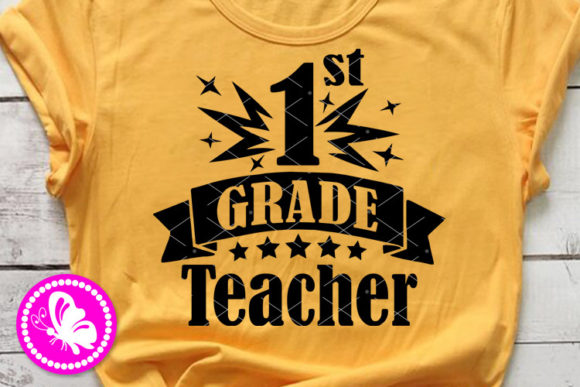
As a professional embroidery designer and product reviewer, I approach every new digital asset with a specific question: will this actually stitch out cleanly on a real garment? When evaluating the 1st Grade Teacher First Grade School Art design, my focus shifts immediately from the screen to the hoop. This graphic carries a distinct nostalgia and playful energy that resonates deeply with educators and parents, but translating those Illustrations and Graphics into thread requires a critical eye. For Etsy sellers, craft business owners, and makers creating personalized gifts for teachers, understanding how this artwork behaves as a machine embroidery design is the difference between a bestseller and a production headache.
Capturing the Classroom Vibe in Thread
My first impression of this 1st Grade Teacher First Grade School Art is its balanced composition. It avoids the cluttered chaos that often plagues school-themed graphics, offering instead a clean, recognizable silhouette that reads well from a distance. The mood is undeniably cheerful yet structured, mirroring the environment of a first-grade classroom. Visually, it feels like a vintage-inspired badge or a modern minimalist icon, depending on your thread color choices. This versatility is crucial for commercial embroidery projects where you might need to adapt the same design assets for both a retro-style tote bag design and a crisp, modern polo shirt.
For handmade product creators, this aesthetic is gold. It strikes the right balance between professional and personal. When I look at this file, I can immediately visualize it centered on a canvas tote bag filled with classroom supplies or stitched onto the chest of a heather grey sweatshirt. The art has enough personality to stand alone without needing excessive text, which reduces stitch count and keeps the finished product soft and wearable. This is a significant advantage for baby embroidery or lightweight apparel where dense stitching can cause fabric distortion.
Real-World Application: The Teacher Appreciation Tote
To truly test the viability of this design, I mentally placed it in a recent client scenario: creating end-of-year appreciation gifts for an entire grade level. The project involved natural cotton tote bags, a staple for teacher gifts. In this context, the 1st Grade Teacher First Grade School Art performed exceptionally well as an applique design. The shapes are distinct enough to support fabric layers without losing definition, allowing for a mix of textures that adds high perceived value to the item.
However, if you are planning sweatshirt embroidery on fleece or French terry, you must consider the pile of the fabric. This design works beautifully as a centerpiece, but I recommend using a water-soluble topping to prevent the stitches from sinking into the fuzzy texture. For small shop products like embroidered patches, the bold lines of this graphic translate perfectly into satin stitch borders. Conversely, if you are using this for detailed nursery decor or pillow covers, you might opt for fill stitch interiors to create a softer, more tactile surface that invites touch rather than just visual inspection.
Navigating Fabric Challenges and Hoop Limitations
While the 1st Grade Teacher First Grade School Art is versatile, it demands respect regarding placement and stabilization. One area where caution is necessary is on stretchy fabrics like ribbed knits or performance wear. Because school art often includes linear elements or lettering, any fabric stretch during hooping will result in misalignment once the garment relaxes. Always use appropriate stabilizer—cut-away for knits, tear-away for wovens—and ensure your hoop size provides adequate margin around the design to maintain tension consistency.
I also advise testing this design on dark fabrics before committing to a full production run. Depending on the specific version of the embroidery file you utilize, light-colored threads on dark backgrounds may require an underlay base to prevent the fabric color from showing through. This increases density, so check your stitch density settings to avoid a bulletproof patch effect. For curved surfaces like caps, verify that the vertical height of the design fits within your cap frame’s safe zone; school art often has vertical elements that can get distorted near the crown seam. If the design includes tiny lettering typical of first-grade themes, ensure those elements remain legible at smaller sizes, or consider removing them for hat applications.
Elevating Product Value and Brand Trust
Using high-quality Graphics like this 1st Grade Teacher First Grade School Art directly impacts customer trust. In the competitive world of Etsy sellers and digital product sellers, buyers can spot a poorly digitized or unsuitable design from a thumbnail. When this art is executed correctly, with clean satin edges and smooth fills, it signals professionalism. It tells the buyer that you understand the medium, not just the software. This attention to detail transforms a simple custom apparel item into a cherished keepsake.
Furthermore, consistent use of this style across your catalog builds brand recognition. Whether you are selling printable mockups to other designers or finished holiday embroidery items to parents, maintaining a cohesive visual language helps customers identify your work instantly. The inherent warmth of this specific illustration encourages emotional connection, making it ideal for personalized gifts. When a customer sees a design that genuinely reflects the spirit of their profession or loved one, engagement increases. Just ensure you have confirmed licensing for commercial embroidery if you plan to sell finished goods, as rights for digital downloads vary.
Essential Designer Notes Before You Stitch
Before loading this digital embroidery file into your machine, run through this practical checklist to ensure success:
- Test on Scrap Fabric: Never stitch directly on a final product without a test run. Verify that the registration marks align and the design sits flat.
- Check Thread Color Contrast: View the design in black and white mode in your software to ensure tonal separation exists independent of color. This guarantees readability on all fabric shades.
- Review Stitch Density: If the provided SVG, Ai, EPS, PDF, JPG, PNG, or DXF files require conversion or re-digitizing, adjust density based on your target fabric weight.
- Confirm Hoop Size Compatibility: Ensure the design dimensions fit your specific machine’s maximum sewing field with room for proper hooping.
- Inspect Small Details: Zoom in to 400% to check for stray nodes or overlapping stitches that could cause needle breaks or thread bunching.
- Validate Licensing: Since this is an instant digital download, double-check the included terms regarding commercial use versus personal use before listing items in your shop.
- Mockup Realistically: Use textured overlays in your printable mockup presentations to show clients how the embroidery will actually look on fabric, not just as a flat vector.
The 1st Grade Teacher First Grade School Art is a robust addition to any maker’s library, provided it is treated with technical intentionality. By respecting the interplay between digital art and physical thread, you can create embroidered products that honor the dedication of educators while growing your own creative enterprise. Remember, the best embroidery project is one where the technology disappears, leaving only the beauty of the handmade product behind.