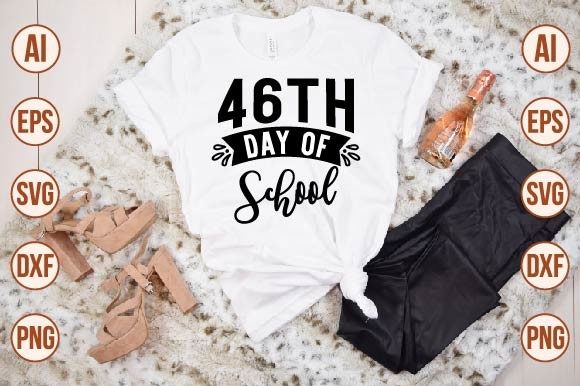
46th Day of School: An Embroidery Design Review
As a professional designer who spends more time behind an embroidery hoop than a computer screen, I approach every new digital asset with a healthy dose of skepticism. When evaluating the 46th Day of School design for potential use in client projects or shop inventory, my first question is never about how cute it looks on a monitor. My question is always: will this actually stitch out cleanly on a textured sweatshirt or a stretchy cotton tee? This review breaks down the practical realities of using this specific graphic for real-world embroidery applications, moving beyond the basic product description to assess its true value for makers and business owners.
First Impressions and Visual Hierarchy
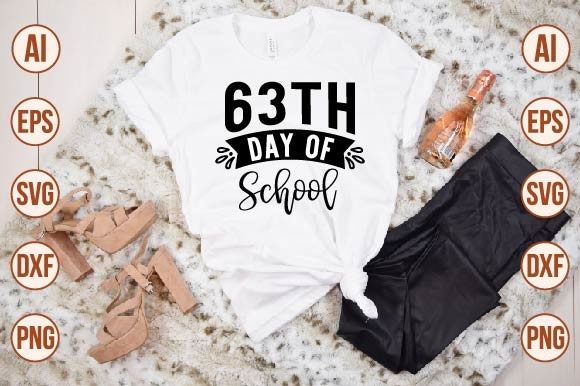
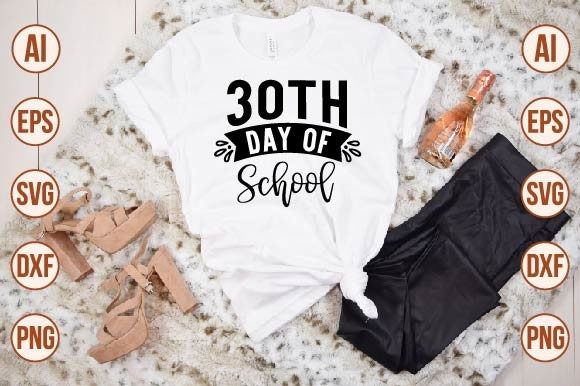
Upon opening the .zip file containing the SVG, DXF, EPS, and PNG formats, the immediate strength of this 46th Day of School artwork is its clarity. For T-Shirt Designs and general Graphics, visual balance is everything. The layout avoids the common pitfall of overcrowding, which is a frequent failure point when converting vector art into a machine embroidery design. The spacing between the numerical element and the accompanying typography suggests that the digitizer understood the need for negative space. This is crucial because thread has physical thickness; without adequate breathing room, letters can merge into indistinguishable blobs during the stitching process.
The mood strikes a practical yet celebratory tone. It feels appropriate for mid-year milestones without being overly juvenile, making it versatile for various age groups. As a digital embroidery file, the lines appear distinct enough to translate well into both satin stitch outlines and fill stitch interiors, provided the end-user selects the correct stabilization method.
Real-World Application: The Sweatshirt Test
To truly evaluate this design, I mentally placed it in a specific production scenario: creating a custom embroidered crewneck sweatshirt for a teacher’s lounge order. Sweatshirts are a staple for Etsy sellers and small shop products, but their fleece backing and knit face present unique challenges. In this context, the 46th Day of School design performs admirably because of its likely bold geometry.
When stitching this onto a heavyweight fleece, the primary concern is registration. If the design includes multiple color changes or layered elements, the fabric can shift. However, the clean lines in this graphic suggest it would work beautifully as a single-color or two-tone applique design. Using a cutaway stabilizer and a light adhesive spray, the design should maintain its structural integrity without puckering. For a handmade product intended as a personalized gift or boutique merchandise, this level of crispness is what separates professional commercial embroidery from amateur hobbyist work. Customers trust sellers whose stitching looks intentional and durable, not rushed or distorted.
Navigating Fabric Limitations and Hoop Sizes
While the design excels on stable knits, caution is required for other substrates. If you plan to use this 46th Day of School graphic on thin baby clothes or lightweight performance wear, you must adjust your expectations and settings. Thin fabrics cannot support high stitch density without tearing or creating a "bulletproof" patch effect that ruins the garment's drape. In these cases, I recommend testing a modified version with reduced underlay or switching to a running stitch aesthetic rather than dense fills.
Hoop size is another critical variable. Before committing this embroidery project to production, verify the physical dimensions against your available hoops. A design that looks perfect at 5x7 inches may lose legibility if shrunk down to fit a 4x4 hoop for a sleeve cuff or pocket placement. Tiny lettering is often the first casualty of resizing. If your machine embroidery design software allows, check the minimum recommended size before scaling down. Conversely, stretching the design too large for a cap or curved surface can cause distortion at the edges. Always test on scrap fabric that matches your final substrate’s weight and texture.
Commercial Viability for Makers and Sellers
For creative entrepreneurs and digital product sellers, versatility equals profit. The inclusion of SVG and EPS files makes this asset valuable beyond just embroidery. You can use the PNG for printable mockups to gauge customer interest before stitching a single sample. This workflow saves time and materials. List the finished product on your site using the digital preview, then produce the physical item only after validating demand.
However, a vital reminder for any craft business or Etsy seller: always confirm licensing. Just because you purchased a digital download does not automatically grant unlimited commercial rights for mass production or resale of the digital file itself. Use this design to create unique, value-added physical goods like tote bag designs, aprons, or holiday embroidery items, but respect the intellectual property boundaries. Professionalism in business includes ethical usage of design assets.
Technical Notes for Stitching Success
To ensure the 46th Day of School design translates perfectly from screen to fabric, consider these technical adjustments based on my experience with similar graphics:
- Stabilizer Selection: Match the stabilizer to the fabric, not the design. Use cutaway for knits and tear-away for wovens. Never rely solely on hooping; use adhesives to prevent shifting.
- Thread Color Contrast: Test thread colors against the fabric background before running the full job. A navy design on a black sweatshirt might look elegant on screen but disappear in low-light photos. High contrast ensures the design pops in listing images and real life.
- Density Check: Inspect the stitch density in your software. If the design feels too rigid for a baby embroidery project, reduce the fill density by 10-15% to improve softness and washability.
- Mockup Validation: Create black and white mockups alongside color versions. This reveals whether the design relies too heavily on color differentiation to be readable. A strong embroidery file should have clear definition even in monochrome.
- Wash Testing: If selling custom apparel or tea towels, wash and dry a test sample. Some decorative accents or metallic threads may degrade or shrink differently than the base fabric. Customer trust is built on durability.
Final Verdict for Production Use
The 46th Day of School design represents a solid addition to a maker’s digital library, particularly for those focusing on educational milestones and seasonal apparel. Its strength lies in its adaptable geometry and clear visual communication, making it suitable for everything from quick craft fair products to premium personalized gifts. By approaching this graphic with a technician’s mindset—testing stabilizers, respecting fabric limitations, and validating commercial terms—you transform a simple digital download into a reliable revenue stream. Remember, the best embroidery project isn't just about the art; it's about the flawless execution that makes the customer want to buy again. Treat this design as a starting point for your own quality standards, and it will serve your business well.