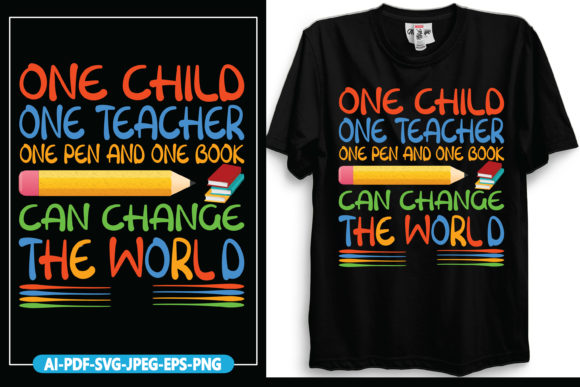
One Child One Teacher: An Embroidery Design Review
As a professional embroidery designer and product reviewer, I approach every new asset with a critical eye. When evaluating One Child One Teacher, my first thought isn't just about the aesthetic appeal on a screen; it is about how this graphic will translate into physical thread on fabric. This design carries a distinct emotional weight, evoking nostalgia, education, and familial bonds. Visually, it presents a balanced composition that suggests versatility, but as any experienced maker knows, a beautiful vector file does not always guarantee a flawless stitch-out. My assessment focuses on the practical realities of turning these Print Templates and Graphics into tangible, high-quality merchandise for clients and personal projects.
First Impressions and Emotional Resonance
The immediate mood of One Child One Teacher is warm and commemorative. It avoids being overly juvenile, which expands its marketability beyond just nursery decor. The layout feels intentional, suggesting a hierarchy that works well for center-chest placements or back-of-garment statements. For an Etsy seller or boutique owner, this thematic clarity is valuable. Customers looking for personalized gifts for Teacher Appreciation Week, graduation, or family reunions respond to designs that feel specific rather than generic. However, from a technical standpoint, I immediately look at the line weight and negative space. A design meant for print often contains details that are too fine for needle and thread. While this file is editable and high-resolution at 300 DPI, the transition from pixel or vector to machine embroidery design requires verifying that the artistic intent survives the digitizing process.
Real-World Application: The Custom Sweatshirt Test
To truly evaluate this asset, I mentally placed it in a real-life production scenario: creating a custom crewneck sweatshirt for a small shop product launch. Sweatshirts are a staple for custom apparel, but their fleece backing and stretchy knit structure present challenges. In this context, One Child One Teacher serves as an excellent candidate for a mixed-media approach or a simplified stitch-out.
If I were producing this sweatshirt embroidery, I would likely utilize the provided SVG or EPS files to create a clean, bold outline using a running stitch or a light satin stitch. Heavy fill stitch areas can cause puckering on knit fabrics, so the editability of this file is a massive advantage. Being able to adjust the design allows me to reduce density or convert complex shaded areas into openwork stitches that drape better. For a tote bag design, however, the canvas provides a stable foundation where I could confidently use denser stitching without fear of distortion. This adaptability makes the design a strong contender for shops that offer multiple product types, from lightweight baby onesies to structured caps.
Navigating Fabric Limitations and Hoop Constraints
While the versatility of One Child One Teacher is appealing, caution is necessary when working with difficult substrates. If you are planning baby embroidery on ribbed cotton or bamboo blends, the detailed elements of this graphic must be scrutinized. Thin, stretchy fabrics cannot support excessive stitch counts without significant stabilization. I recommend testing the design on scrap fabric identical to your final project before committing to a sellable item.
Furthermore, consider your hoop size. If the design features intricate typography or small iconography within the "One Child One Teacher" theme, resizing it down for a 4x4 hoop may result in lost detail or thread breaks. Small lettering often requires simplification to remain legible once stitched. Conversely, if you are working on a large format project like a pillow cover or wall hanging, ensure the resolution holds up when scaled. Although the source files are 300 DPI, embroidery relies on vector paths rather than raster pixels. Always confirm that the embroidery file version maintains crisp edges at your desired dimensions. For curved surfaces like caps, flat graphics often distort; you may need to manually adjust the push-pull compensation in your software to ensure the design wraps correctly around the crown.
Commercial Viability and Brand Consistency
For creative entrepreneurs and craft business owners, consistency builds trust. Using One Child One Teacher across various media helps establish a cohesive brand identity. Because this package includes AI, JPEG, SVG, EPS, PNG, and PDF files, you can match your physical products with your digital marketing. Imagine listing a finished embroidered patch on Etsy while using the matching high-res PNG for your printable mockup. This visual alignment signals professionalism to buyers.
However, commercial viability also depends on perceived value. A handmade product featuring this design should look intentional, not like a direct-to-film transfer. If you are selling commercial embroidery services to schools or organizations, the clean lines of this graphic allow for easy color swapping to match official branding. Just remember to verify licensing terms regarding the sale of finished goods versus the resale of the digital assets themselves. Protecting your business means understanding exactly what rights you have purchased with these design assets.
Technical Notes for Makers and Designers
Before loading One Child One Teacher into your machine, run through this practical checklist to ensure a premium result:
- Test Stitch-Outs: Never skip this step. Verify how the design interacts with your chosen stabilizer and fabric texture. What looks perfect on screen may require tension adjustments on actual material.
- Contrast Checks: Evaluate thread colors against both light and dark backgrounds. A design that pops on white cotton might disappear on navy fleece. Use the editable nature of the file to add outlines or underlay where necessary.
- Density Review: Inspect the stitch density. If the design was originally intended for print, it may lack proper underlay or trims required for embroidery. Edit the file to optimize stitch paths and reduce jump stitches.
- Mockup Validation: Create black and white versions of your digital embroidery file preview. This reveals whether the design relies too heavily on color contrast rather than structural definition.
- Washability Assessment: If creating items like tea towels or aprons that face frequent laundering, ensure satin stitches are secured properly and fill stitches are not too dense, which can lead to fabric tearing over time.
Final Verdict on Practical Utility
One Child One Teacher stands out as a thoughtful asset for makers who understand the bridge between digital art and textile craft. Its strength lies in its emotional connection and multi-format availability, supporting everything from holiday embroidery projects to year-round boutique inventory. The inclusion of editable vector formats empowers designers to tailor the graphic to specific embroidery project needs, rather than forcing a one-size-fits-all solution.
Ultimately, the success of this design in your shop depends on your willingness to adapt it. Treat the provided files as a high-quality foundation rather than a final destination. By respecting the mechanics of thread, fabric, and stabilization, you can transform these Graphics into a finished product that delights customers and withstands the test of time. Whether you are crafting a sentimental gift or scaling a small shop product line, this design offers the flexibility needed for professional results, provided you apply the necessary technical diligence during production.